BLOGS

All Blogs

Patterned conveyor belts vs. flat types: A comparison of industry applications for Enhancing Friction


I. Patterned Conveyor Belts

1. Core Advantages

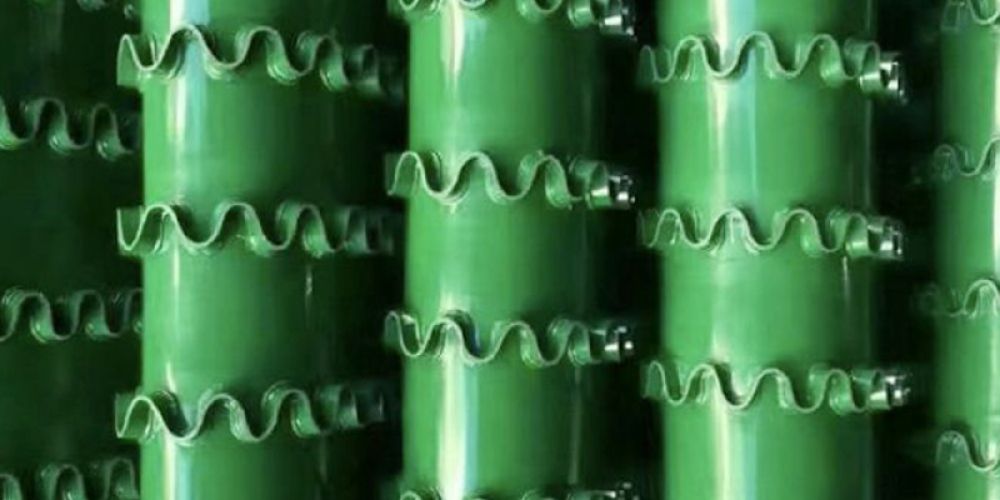
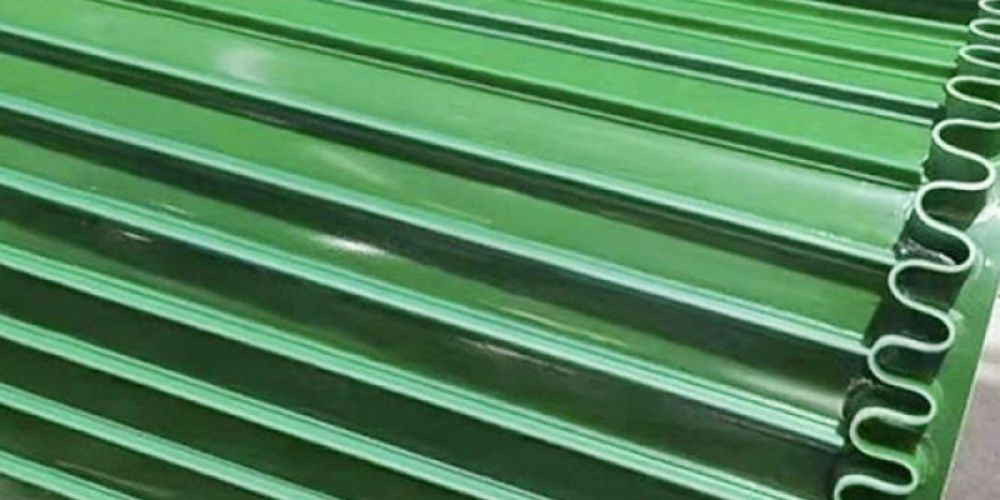
  • Enhanced Friction: Surface patterns (chevron, straight ribs, grass, herringbone, etc.) prevent material slippage, especially on inclines or in wet environments.

2. Typical Applications

  • Steep Incline Transport:
    • Mining, ports, and construction sites with inclines up to 40–60 degrees.
    • Patterns stabilize materials like coal, ore, and aggregates.
  • Wet/Slippery Conditions:
    • PVC belts with grass patterns for seafood processing or food production.
    • Resists moisture and maintains grip under heavy lubrication.
  • Heavy-Duty Handling:
    • Transports large, abrasive materials (e.g., gravel, metal scraps) with reduced spillage.

II. Flat Conveyor Belts

1. Core Advantages

  • Smooth Surface: Relies on inherent friction of rubber, PVC, or PU for moderate grip.
  • High Efficiency: Ideal for low-slip scenarios requiring speed or precision.

2. Typical Applications

  • Horizontal Transport:
    • Logistics sorting, packaging lines, and assembly systems.
    • Handles boxes, electronics, and lightweight goods with minimal slippage.
  • High-Speed/High-Power Drives:
    • Achieves >98% power transmission efficiency for automated production lines.
    • Used in printing, automotive assembly, and bottling systems.