Ensuring the structural stability of skirt-and-cleat combinations in high-incline (30°–90°) conveyor belts requires multi-dimensional optimization, including structural design, material selection, and operational adaptability. Below is a detailed analysis:
I. Structural Design Challenges
1. Skirt-Cleat Bonding Integrity
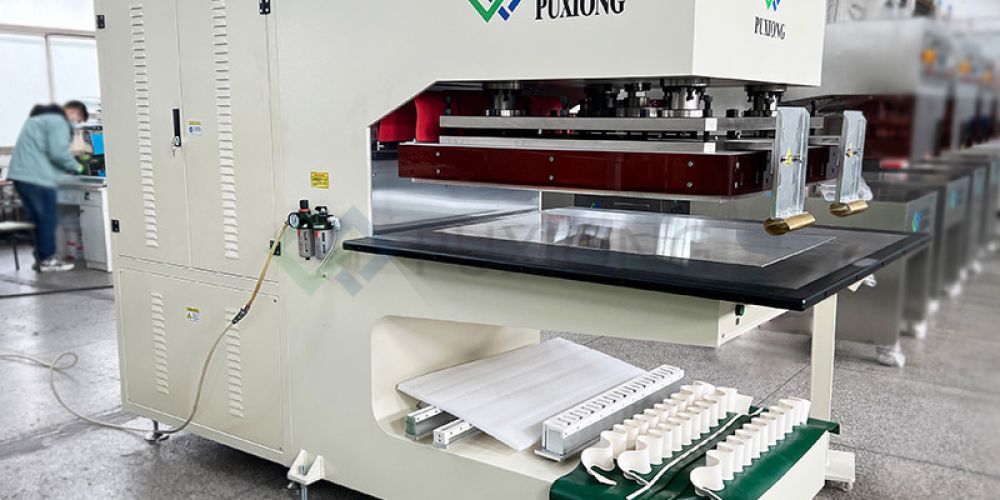
- Secondary vulcanization process: Critical for bonding skirts/cleats to the base belt. Poor execution risks delamination or cracking.
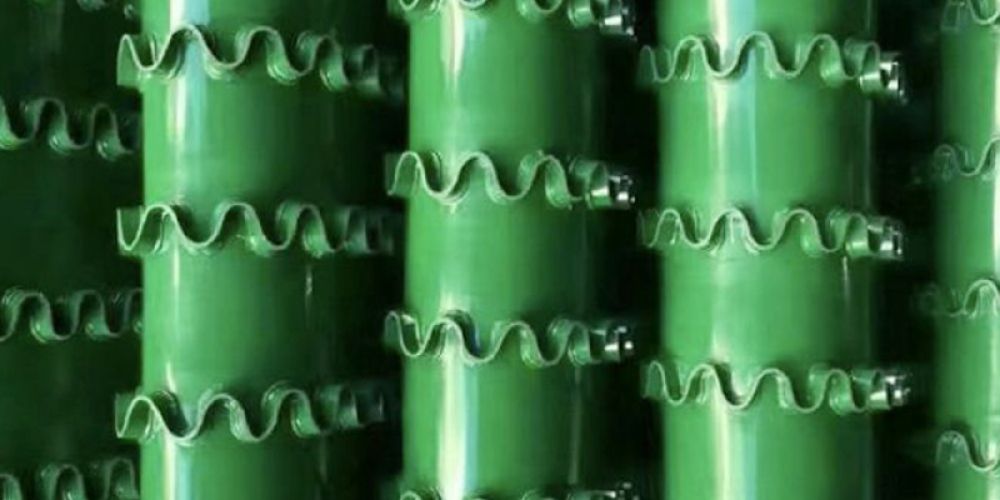
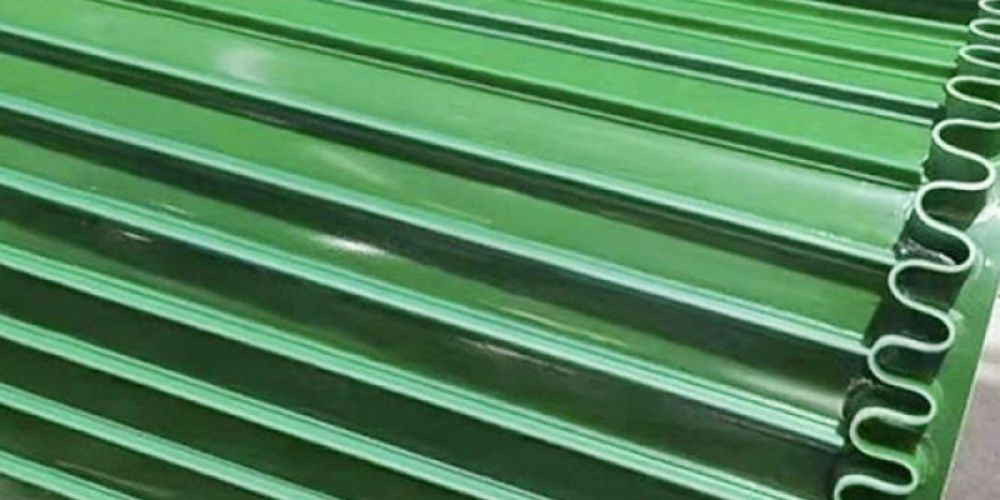
- Corrugated skirt design:
- Facilitates belt flexing around pulleys.
- Corrugation dimensions require precise calculation to balance flexibility and load-bearing capacity.
2. Cleat Layout and Load Distribution
- Cleat spacing:
- Optimal spacing prevents material backflow (if too wide) and minimizes drag (if too narrow).
- Cleat geometry:
- T-type or TC-type cleats are recommended for powdered/granular materials to enhance containment.
- Height and profile must align with material properties (e.g., bulk density, flowability).
3. Incline Adaptability
- High-angle operation increases lateral pressure on skirts/cleats, risking deformation.
- Finite element analysis (FEA): Essential to simulate stress distribution under varying incline angles and optimize:
- Cleat thickness and reinforcement.
- Skirt stiffness-to-flexibility ratio.
II. Material Selection Challenges
1. Base Belt Materials
- Key requirements: High tensile strength (≥1000 N/mm) with flexibility for pulley navigation.
- Common core materials:
- Cotton canvas core: Economical for moderate loads.
- Nylon fabric core: Superior impact resistance for heavy-duty applications.
- Polyester fabric core: Balances strength and low elongation.
2. Skirt and Cleat Materials
- Abrasion resistance:
- Ultra-high molecular weight polyethylene (UHMWPE) or rubber compounds (e.g., SBR with 80–90 Shore A hardness).
- Chemical resistance:
- For acidic/alkaline/oily materials: Nitrile rubber (NBR) or chloroprene (CR).
- Additives like carbon black (15–20%) enhance wear and UV resistance.
Critical Considerations
- Operational validation: Simulate extreme loads (120% of rated capacity) and incline transitions (e.g., 45°→75°) to test fatigue resistance.
- Maintenance protocols: Regular inspection of cleat root stress points and skirt-edge wear patterns.

.jpg)
.jpg)