BLOGS

All Blogs

PVC conveyor belt welding: High-efficiency and precise process principle features

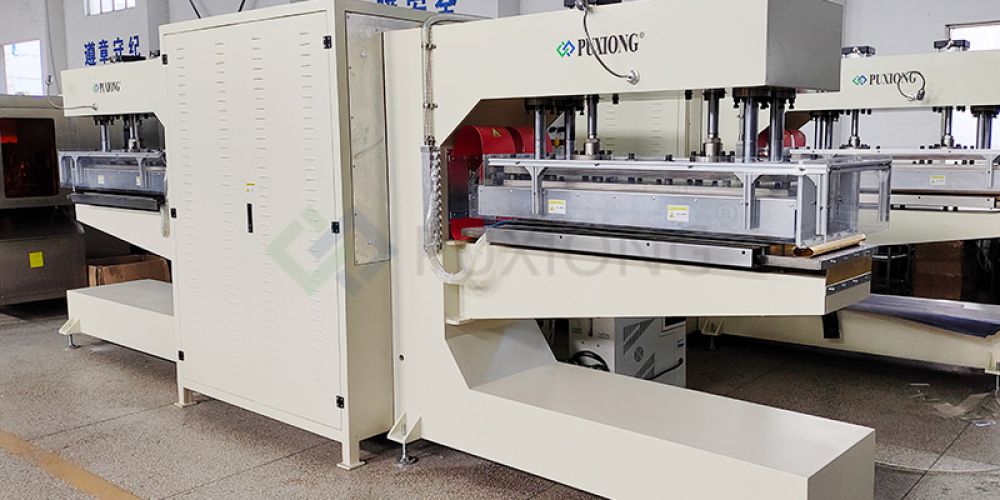
High-frequency welding for PVC conveyor belts is a process that uses high-frequency current to fuse plastic materials. Below is a detailed explanation of its efficient and precise working principles and key characteristics:


I. Process Principles

  1. High-Frequency Electric Field Action

    • High-frequency welding converts electrical energy into thermal energy, generating sufficient heat to melt the material for fusion.
    • Non-conductive materials like air, oil, and PVC are categorized as dielectrics. During welding, the PVC dielectric material is clamped between two conductive electrodes. When high-frequency energy flows between the electrodes, it creates an alternating electric field within the dielectric.
  2. Molecular Motion and Heating

    • The alternating electric field induces intense molecular motion in the dielectric material, generating heat.
    • Cooling effects from the electrodes dissipate heat at the outer surfaces, resulting in focused heating at the interface between the dielectric materials (midpoint between electrodes).
  3. Welding Process

    • Once the dielectric materials fuse, the high-frequency power is shut off, and the workpiece is cooled under controlled pressure to ensure bond integrity.

II. Process Features

  1. High Efficiency

    • Rapid welding speeds significantly boost productivity.
    • Most high-frequency welding systems operate at 27.12 MHz, creating 27.12 million electric field cycles per second for instant heating and fusion.
  2. Precision Control

    • Adjustable parameters (e.g., power, time, pressure) enable precise welding tailored to PVC conveyor belts.
    • While tolerant to pressure variations, higher pressure accelerates welding speed without compromising quality.
  3. Superior Weld Strength

    • Produces high-strength, visually consistent welds with excellent repeatability.
    • Weld strength matches or exceeds the base material, ensuring long-term reliability and durability.
  4. Broad Applicability

    • Ideal for welding plastic films and thin sheets like PVC conveyor belts.
    • Compatible with other polar plastics (e.g., PU, EVA), catering to diverse industrial applications.