BLOGS

All Blogs

Welding methods and advantages of PVC conveyor belts for special environments

I. Common Welding Methods for PVC Conveyor Belts

1. High-Frequency Welding

  • Principle: Generates heat via high-frequency current within PVC materials, inducing intense molecular motion and melting. Pressure is then applied to bond layers.
    • Example: Widely used in plastic film packaging to seal two-layer films into airtight packaging pouches within seconds.
  • Advantages:
    • Speed: Seconds per weld point.
    • Strength: High weld seam strength with consistent外观 (appearance).
    • Simplicity: No additional adhesives required.

2. Hot Air Welding

  • Principle: Softens PVC using hot air guns, followed by pressure bonding and cooling.
  • Advantages:
    • Cost-Effective: Lower equipment costs.
    • Ease of Use: Simpler operation suitable for diverse PVC belts.


II. PVC Conveyor Belt Welding Advantages in Harsh Environments

1. Efficiency

  • Rapid processing: High-frequency welding completes welds in seconds; thermal vulcanization jointing achieves strong bonds quickly.

2. Durability

  • High weld strength: Matches or exceeds base material strength.
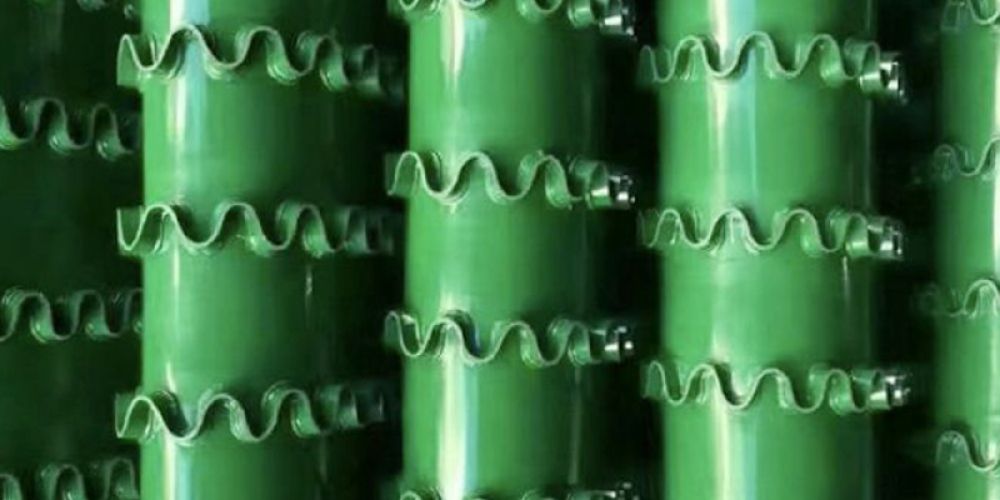
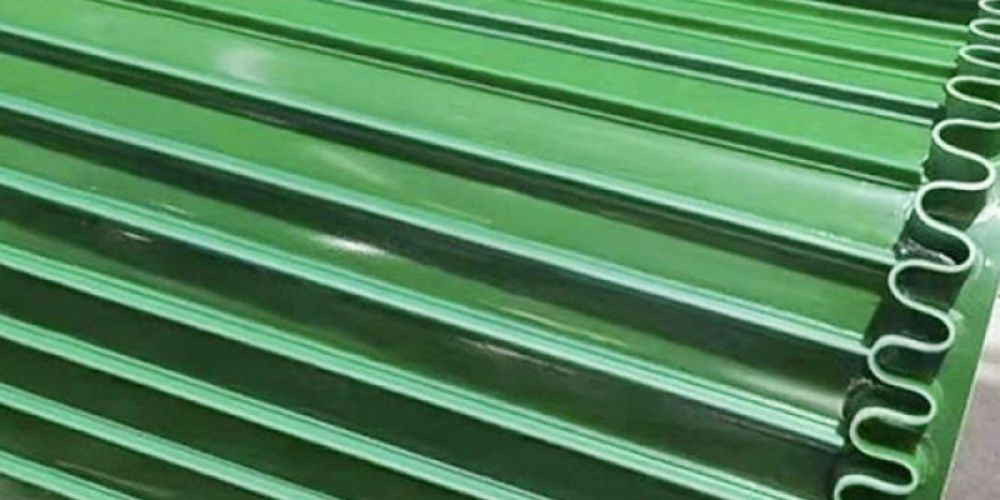
    • ExampleSerrated joints ensure uniform stress distribution, maximizing load-bearing capacity.

3. Eco-Friendliness

  • Recyclability: PVC is reusable, reducing environmental impact.
  • Non-toxic solutions: Solvent-free cold adhesive (for rubber/PVC/PU belts) meets FDA/medical standards without volatile emissions.

4. Versatility

  • Adapts to varying thicknesses and surface textures.
    • Examples: Heat fusion bonding and high-frequency welding maintain reliability in extreme temperatures or corrosive settings.